
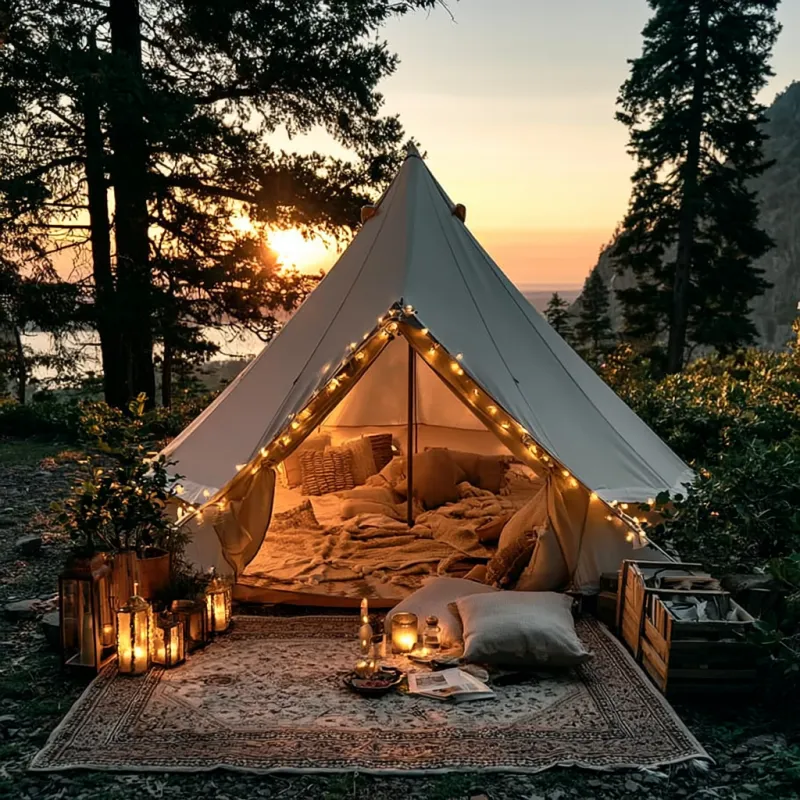
The first time I pitched a tent in my living room, I felt the same satisfaction as unzipping the door after a long hike. The snap of poles, the rustle of nylon, the way the fabric settles into a familiar shape—it all works just as well indoors. Whether you’re testing gear before a trip, creating a cozy reading nook for a rainy afternoon, or giving the kids an indoor campout, setting up a tent at home is straightforward. Let me walk you through the method, from choosing the spot to making it feel intentional.

Choosing Your Spot: Floor, Carpet, or Backyard
The surface determines your setup sequence. On carpet, the tent stays put without stakes. On hardwood or tile, friction is your friend—lay a rubber shelf liner or a thick yoga mat under the tent’s footprint before you unfold. In the backyard, you’ll stake into grass, but skip the stakes indoors. Instead, weight the corners with heavy books, sandbags, or soft-sided coolers filled with water. Common mistake: leaving the tent unweighted on a smooth floor. A breeze from an open window can send it sliding. Always secure the four corners first.
Pitching the Tent: The Indoor Sequence
Start by spreading the ground tarp or a clean sheet where the tent will go. Unfold the tent body on top, making sure the door faces the direction you want. Assemble the poles on the floor—never snap them together in the air, as that bends the ferrules. Feed each pole through its sleeve or clip it to the tent body. If your tent uses clips, attach them loosely at first, then tighten from the center outward. The trick: for a dome tent, raise the two main poles simultaneously by crossing them at the top. This distributes the tension evenly and prevents the fabric from bunching. Once the poles are in place, spread the tent out by pulling the corners gently. Inflate the pole structure by pushing the tips into the grommets at the base. If the tent feels loose, reposition the poles in their clips—do not overstretch the fabric.
Adapting for Kids or Pets
If children or dogs will be inside, lower the tent’s center of gravity. Use a shorter tent or one with a low-profile dome. Place a foam play mat under the tent floor for extra cushioning. Keep the rainfly off to allow light in and reduce stuffiness. Teach kids to unzip the door slowly and never climb on the poles. For pets, introduce them to the tent while it’s unzipped so they can sniff without feeling trapped.
Making It Cozy: Lighting and Ventilation
A tent at home shouldn’t feel like a storage bin. String battery-operated fairy lights along the ceiling ridge. Clip a small rechargeable lantern to a loop near the door. Lay a soft blanket and a few pillows inside. The one thing you must never do: use any flame or fuel-burning device inside the tent—indoors or out. That includes candles, camp stoves, and propane heaters. Carbon monoxide is invisible and deadly. Stick to LED lights and battery lanterns. For airflow, open the tent’s mesh windows and the room’s window a crack. A small fan placed near the tent door keeps the air moving without creating a draft.
Reading Nook vs. Sleep Setup
If you’re using the tent as a daytime reading nook, keep the door unzipped and the rainfly off. Add a floor cushion and a side table for a mug of tea. For an overnight sleep setup, use a sleeping pad and a sleeping bag rated for the room’s temperature. A foam pad provides insulation from the floor. If the room is warm, unzip the sleeping bag and use it as a blanket. Keep a water bottle and a small flashlight inside.
Backyard Practice: Staking and Weather Prep
Setting up in the backyard mimics real camping conditions. Stake the tent at a 45-degree angle into the ground, not straight down. Use the guylines to create tension on the fly, especially if there’s wind. The specific angle: drive the stake so it leans away from the tent, then hook the loop and pull the line taut. For a rain test, sprinkle the tent with a garden hose and check for leaks along the seams. Seal any gaps with seam sealer before your actual trip. If you’re practicing with kids, let them help thread the poles and hand you the stakes—it builds confidence and teaches the sequence.
Common Mistakes and How to Fix Them
- Poles bending: You’re forcing them. Loosen the clips and feed the pole through smoothly. If a section is stuck, twist it gently—don’t yank.
- Fabric dragging on the ground: The tent is too big for the tarp. Fold the tarp so it’s just smaller than the tent floor. Any overhang catches dirt and moisture.
- Condensation inside: Too much humidity. Open the vents and run a dehumidifier in the room for an hour before setup. In the backyard, pitch the tent in a spot with good airflow, not against a wall.
- Zipper catching: The fabric is bunched near the track. Zip slowly and hold the fabric flat with your other hand. Lubricate the zipper with a wax stick if it sticks repeatedly.
Takeaway
Setting up a tent at home is more than a dry run—it’s a chance to know your gear, create a cozy escape, and troubleshoot without the pressure of weather or darkness. Start with the right surface, weight the corners, and keep it safe with battery lighting. Whether you’re building a reading nook for a quiet afternoon or practicing for a weekend trip, the tent at home becomes a familiar space you’ll look forward to unzipping.
Frequently Asked Questions
Can I set up a tent indoors without damaging the floor?
Yes. Lay a waterproof ground tarp or old sheet under the tent. Use painter’s tape to secure the corners of the tarp to hardwood or tile. Never stake through the floor. For carpet, just unfold the tent and weight the corners with books or soft bags.
How do I keep a tent from sliding on a hardwood floor?
Place a rubber shelf liner or a yoga mat under the tent’s footprint. The friction holds the tent in place. Alternatively, put the tent on a thick rug that won’t slide. Avoid using any adhesive directly on the tent fabric.
What’s the best way to ventilate an indoor tent?
Open the tent’s mesh windows and rainfly vents. Position a small fan nearby to circulate air. If the room is humid, crack a window. Never use a camp stove, heater, or real flame inside a tent—indoors or out—due to carbon monoxide risk.